Cell observation after 12-18 hrs incubationThe next day, after 12–18 hours of incubation, Dr. Lee gathers the students around the plates prepared the previous day.
Dr. Lee: ‘Now that the cells have been in the incubator overnight, it’s time to assess whether they’ve adhered properly before we proceed with the stress conditions and Supplement X treatments. This is an important checkpoint to ensure the experiment begins on a solid foundation.’
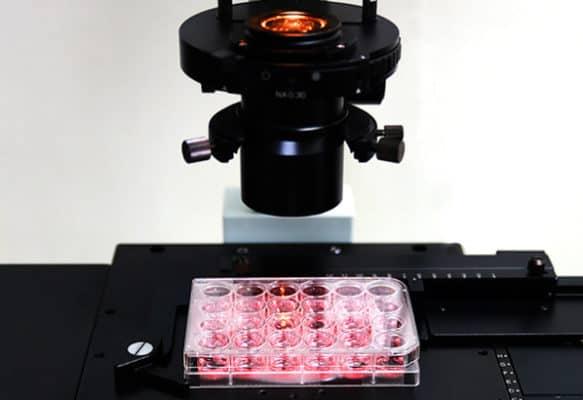
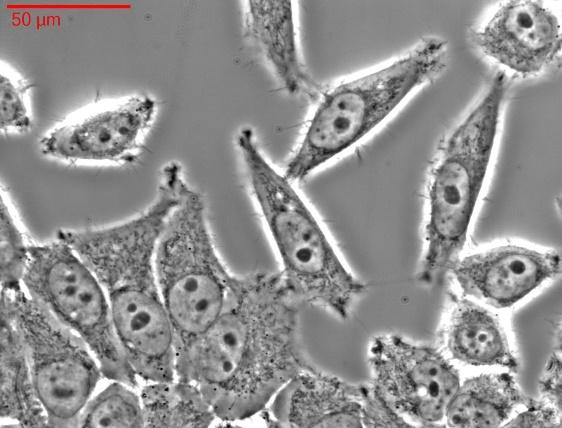
He carefully removes a plate from the incubator and places it under an inverted microscope, speaking as he demonstrates. ‘To confirm adherence, you’ll visually inspect several wells using the microscope. Look for a uniform monolayer of cells attached to the bottom of the well. The cells should appear evenly spread, with no clumps or gaps.’
Medical Supply Company Ltd: https://www.medical-supply.ie/product/multi-well-culture-plateps-24-wells-85-4x127-6mmtc-treated-sterile-to-sal-10-61-50-case/ Michael: ‘What if the cells aren’t evenly spread or look unsettled?’ Dr. Lee: ‘That could indicate an issue during plating, such as uneven pipetting or improper mixing of the cell suspension. If you notice this, make a note in your experimental log—it’s important to document anything that might impact your results. However, as long as most wells show proper adherence, we can move forward.’
He adjusts the microscope focus and gestures for the students to take turns observing. ‘Take care not to tilt or shake the plate while moving it, as the cells could still be sensitive to disturbance. Once you’ve completed your checks and confirmed adherence, we’ll prepare the next steps for introducing the stress conditions and Supplement X treatments.’
The students begin inspecting their plates, guided by Dr. Lee’s and the cells looked good.
HeLa Cells: Fraunhofer-Institut für Biomedizinische Technik, St. Ingbert, Paul Anastasiadis, Eike Weiß, CC BY-SA 3.0 <http://creativecommons.org/licenses/by-sa/3.0/>, via Wikimedia Commons
Go To
|
Map: CS14 - CELL CULTURE (1063)
|
||
|
Review your pathway |