LBDr. Spencer: Well-done! LB is a general-purpose growth medium that supports a wide variety of bacterial species, both Gram-positive and Gram-negative. It does not contain selective agents that would inhibit certain groups of bacteria, making it ideal for assessing general bacterial contamination in a sample. You: That makes sense. Since the goal is to determine if any bacterial contamination exists, LB is suitable for cultivating microorganisms that might be present in the food sample without bias towards specific bacterial types. Sam: It seems we are ready to start the investigation!
You take out the following materials and reagents.
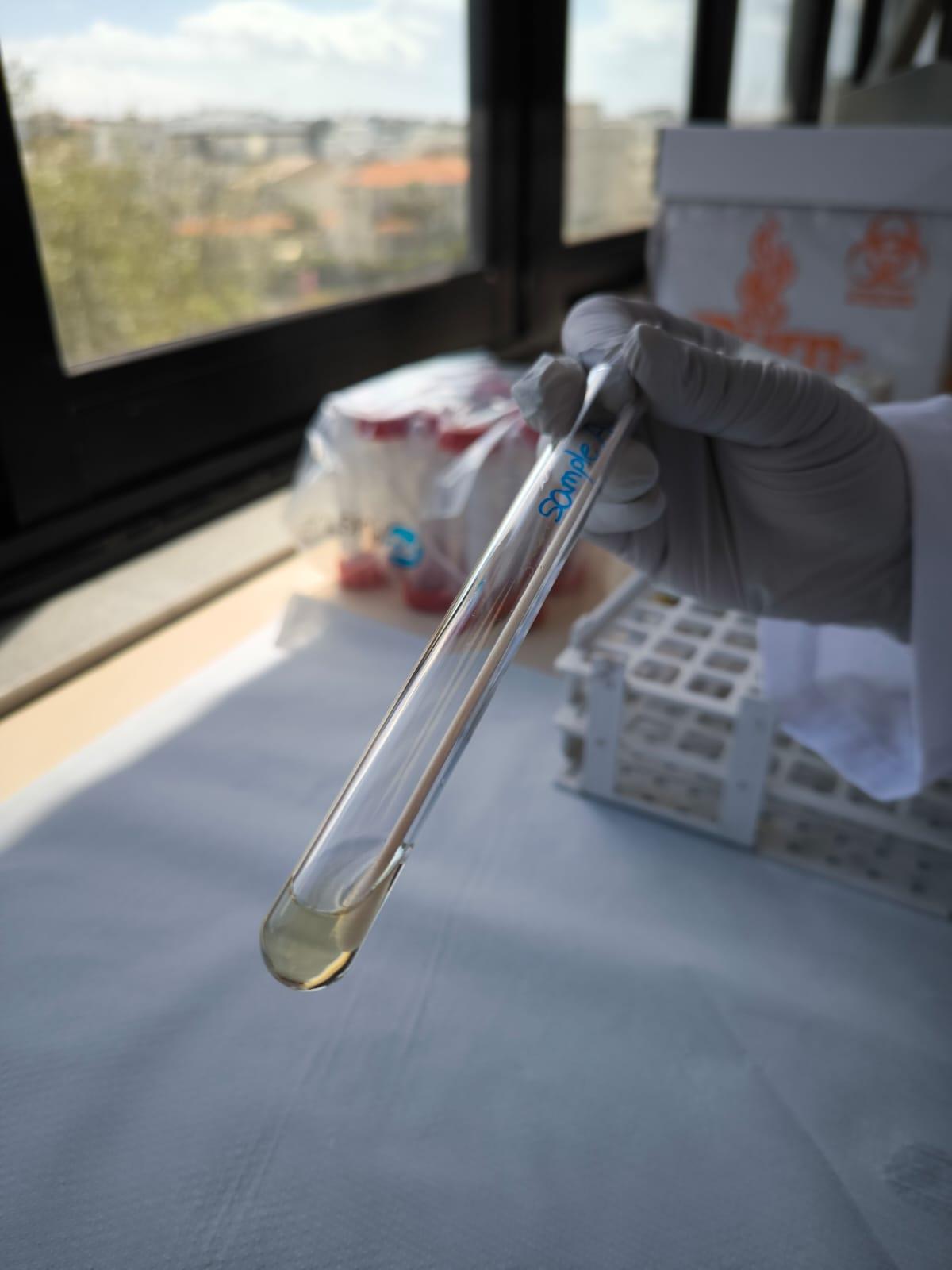
You: Now, we just immerse the swab into the liquid LB and inoculate the liquid cultures at 37°C overnight.
[MacConkey (MAC) is selective for Gram-negative bacteria due to the presence of bile salts and crystal violet, which inhibit Gram-positive bacteria. It is also differential for lactose fermentation, indicated by a color change. While effective for identifying enteric (intestinal) bacteria and coliforms in foods, it is not suitable for detecting the presence of a broad range of bacterial species because it may not support the growth of Gram-positive or non-lactose fermenting bacteria. Mannitol Salt is selective for Gram-positive bacteria, particularly staphylococci, due to its high salt concentration, which inhibits most other bacteria. It also differentiates based on the fermentation of mannitol. Although valuable for identifying Staphylococcus aureus in certain contexts, it is not ideal for detecting general bacterial contamination, as it excludes many bacterial types that might be present in a diverse sample. Eosin Methylene Blue (EMB). EMB is selective for Gram-negative bacteria and is used to differentiate lactose fermenters, which appear with a metallic green sheen. Like MacConkey, it effectively screens for specific types of bacteria in food samples but is not all-encompassing for detecting any bacterial presence. Its selectivity towards Gram-negative and lactose-fermenting bacteria limits its utility for a general contamination assessment. You can see images of negative and positive results on these media by clicking on the options.] |
Map: CS11 - MICROBIAL CULTURE AND GROWTH _ES (1054)
|
||
|
Review your pathway |