Food laboratory

You and your lab partner, Sam, are second-year undergraduate Microbiology students working with Dr. Spencer in a food microbiology lab. Following reports of food poisoning at a local restaurant, the lab is tasked with identifying the potential bacterial source. 


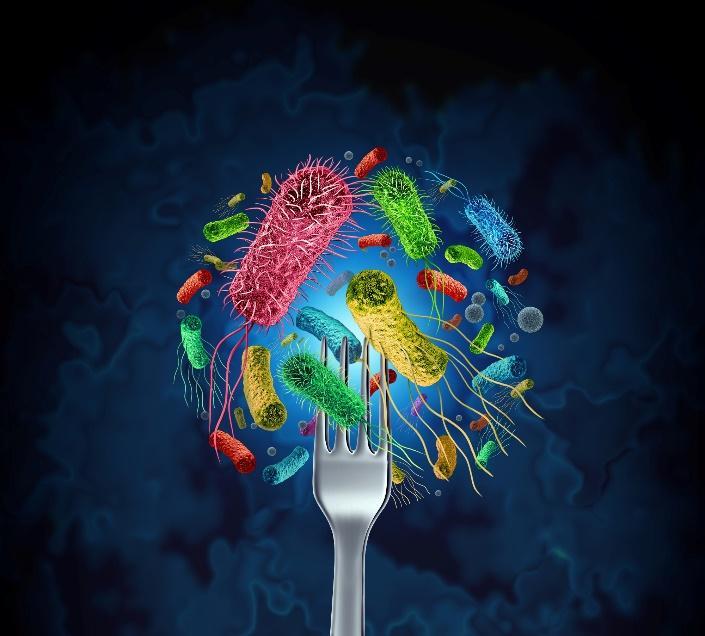
Image 1 Website: https://www.centralstate.edu/news/foodborne-pathogens-six-questions-researcher 

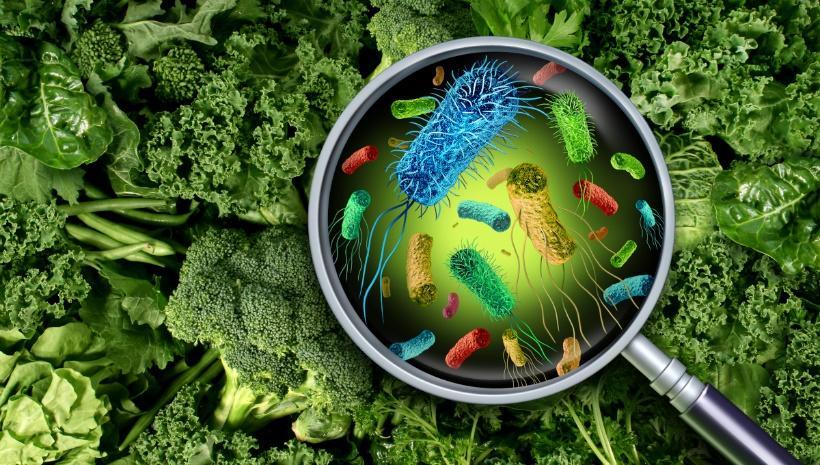
Image 2 Website: https://www.foodsafetynews.com/2023/10/new-zealand-data-shows-increase-in-foodborne-infections/


Dr. Spencer: Good morning! We have a critical task today: to identify the potential bacterial source of food poisoning at a local restaurant. We have had reports of at least eight customers presenting with abdominal cramps, headache, and severe episodes of watery diarrhea. 

You: That does not sound good, Dr. Spencer. How can we help?

Dr. Spencer: We need to identify the source of the contamination and the causative agent. This will allow the epidemiologists and sanitarians to determine which areas were contaminated so that appropriate measures can be taken. Identifying the causative agent will also help the doctors identify the most appropriate treatment for the patients. 

Sam: On it, Dr. Spencer. 

Dr. Spencer: The team has sent over five swab samples; four samples are from different areas in the restaurant, and the fifth is from the patient so that results from the restaurant working areas can be compared to that of the patient. These are the samples we have: 1) patient sample, 2) meat storage area, 3) cutting board, 4) food preparation surface and 5) sink. We need to prepare liquid cultures, as a first step to see if any of those areas are contaminated. Remember that, when working with microbial samples, aseptic technique is of the utmost importance. Do you remember why this is so important?

Option 1. It prevents changes in the pH of the growth medium, ensuring that the culture medium remains stable.

Option 2. It minimizes the risk of contamination, allowing for accurate and reliable results by preventing growth from unwanted microorganisms.

Option 3. It prevents the contamination of the sample with other microorganisms, which could inhibit the growth of the causative agent. 


  • Option 1
  • Option 2
  • Option 3

Map: CS11 - MICROBIAL CULTURE AND GROWTH (1052)
Node: 19812
Score:

reset

OpenLabyrinth
OpenLabyrinth is an open source educational pathway system

Review your pathway

  • A, B, D
  • Drop out of therapy early
  • Stay in therapy (continue with CBT sessions)
  • Start
  • Make an appointment with her GP
  • Start
  • Keep on taking the anti-anxiety medications
  • new node
  • Grapefruit-aspirin (antiplatelet) interaction
  • Start
  • go to espresso house
  • Increased entry of fatty acids into adipocytes
  • Root Node
  • Start
  • Mennään uimaan
  • Εργαστήριο τροφίμων
  • MĂSURI DE SIGURANȚĂ ÎN LABORATOR
  • 2.She should include some kind of physical activity in her daily routine
  • Verify patient identity and obtain e-consent before starting.
  • Nurse's Initial Report
  • 2
  • Nodo inicial
  • Ο ρόλος του εικονικού ασθενή ως εκπαιδευτικό εργαλείο στη διαχείριση και την αντιμετώπιση του διαβητικού ποδιού
  • Start
  • Genetica mendeliană și problemele genetice
  • You request labs, x-rays and explain more about pain management
  • Go back and continue therapy
  • You prescribe NSAIDs and/or acetaminophen to manage his pain
  • Quit therapy for now
  • Other options for pain management
  • Do nothing more than therapy
  • Stop taking the medication immediately
  • UTILIZANDO MATERIAL BÁSICO DE LABORATORIO
  • Connecting Care Virtually: Building Trust and Teamwork in Digital Health Communication
  • Starts working out in a gym
  • Building Trust and Teamwork in Digital Health Communication
  • Station 3 - Blood pressure measurement
  • Start
  • Θόρυβος εικόνας
  • Educating your patient on self-management
  • CELL CULTURE
  • Acute kidney and GI damage due to NSAIDs and/or acetaminophen overuse
  • Biostatistica: Introducere în teoria probabilităților
  • Results of labs, x-rays come back
  • Patient has elevated liver enzymes
  • Λάθος!
  • Λάθος!
  • A microscope that uses light source to magnify objects
  • Ask rapid questions using medical jargon (ischemia, necrotic tissue, perfusion).
  • RESTRICTION ENDONUCLEASE DIGESTION OF DNA
  • Εισαγωγή για θεραπευτική αντιμετώπιση
  • Molecular Cloning
  • Identification test for glucose
  • A microscope that uses light source to magnify objects
  • Root Node
  • Glyceryl trinitrate (organic nitrate)
  • Start
  • Πρωτεϊνοσύνθεση
  • Presentation
  • Furosemide (loop diuretic)
  • Food laboratory

Reminder

empty_reminder_msg

FINISH

Time is up