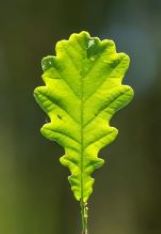
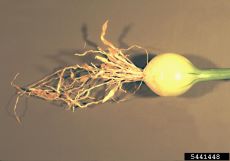
Pine tree conesYou and your lab partner, Martha, decide to use the pine tree cones to observe mitosis. Prof. Collins looks your way and comes to observe. Prof. Collins: I see that you decided to use the pine tree cones to observe mitosis. Do you think that this is the best choice? You: Yes, we do Professor. Since these are reproductive organs, they should be undergoing active cell division. Prof. Collins: You are correct. Indeed, pine tree cones are reproductive structures involved in the dispersal of seeds, but they do not undergo mitosis themselves. The development of pine tree cones involves complex processes of pollination, fertilization, and seed maturation, but these processes do not entail significant cell division within the cones themselves. Instead, the cells within the cones undergo differentiation to form structures such as ovules and seeds. As a result, observing mitosis in pine tree cones would not yield meaningful results for studying cell division. You: OK Professor we will consider one of the other two options.
|
Map: CELL DIVISION_2 (955)
|
||
|
Review your pathway |